Information on our keynote speakers will be updated below.
Plenary lecture, Tuesday 24th June: Angela Weisl and Robert Squillace
Contested Spaces: Medievalisms in a Global Context
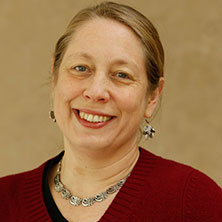
Angela Jane Weisl is Professor of English and Women and Gender Studies at Seton Hall University, where she teaches courses on Medieval Literature, Medievalisms, History of the English Language, and Literature of Adolescence. Her publications include Conquering the Reign of Femeny: Gender and Genre in Chaucer’s Romance; Constructions of Widowhood and Virginity in the Middle Ages (with Cindy Carlson); The Persistence of Medievalism: Narrative Adventures in Contemporary Culture; Medievalisms: Making the Past in the Present (with Tison Pugh); and Medievalisms in a Global Age (with Robert Squillace). She also co-authored Medieval Literature: The Basics with Anthony Joseph Cunder. Currently in the works are Silent Medievalisms (with Tison Pugh) and Global Medievalism and the Contest of Space (with Robert Squillace).
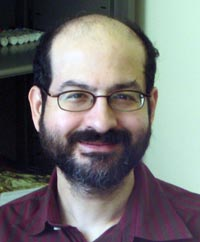
Robert Squillace is a Clinical Professor in Arts, Text, and Media and Educational Technology Liaison at New York University’s School of Liberal Studies. He has published extensively on the Edwardian novelist Arnold Bennett, including the book Modernism, Modernity, and Arnold Bennett (Bucknell UP, 1997). As Associate Dean for Academic Affairs at Liberal Studies, he was instrumental in the creation of its Global Liberal Studies bachelor’s degree. He has presented jointly on various topics in Global Medievalism with Angela Jane Weisl at half a dozen conferences over the last four years; they recently edited and introduced the collection Medievalisms in a Global Age (Boydell & Brewer, 2024) and have a monograph on the contested spaces of global medievalism in contract with Routledge, which should appear in 2026. He has been the recipient of an NEH Digital Humanities grant and an NYU Global Institute for Advanced Study grant on the topic of Global Studies and the Humanities.
Plenary information:
Contested Spaces: Medievalisms in a Global Context, considers how Global Medievalisms engage with space—real, cartographic, imagined—through a variety of forms of contestation, whether literal (battles, wars, the displacement of peoples, etc.) or figurative. In so doing, we wish to continue a conversation about what “Global Medieval” might mean and how we might usefully understand these terms and their value. Through a series of exempla ranging from the Tsui Hark’s Detective Dee films and the Chhatrapati Shivaji Maharaj Terminus in Mumbai, to Historical Medieval Combat leagues and Star Trek: Strange New Worlds, we hope to offer a taxonomy of spatial contestation: temporarily medievalized spces, structurally medievalized spaces, fictions set in historical medieval spaces, and fictions set in invented medievalized spaces in order to map the global contestations of the spaces of medievalism itself.
Plenary roundtable, Wednesday 25th June: Mary Flannery, Euan Roger, and Caroline Bergvall
Roundtable on ‘Public Chaucer’
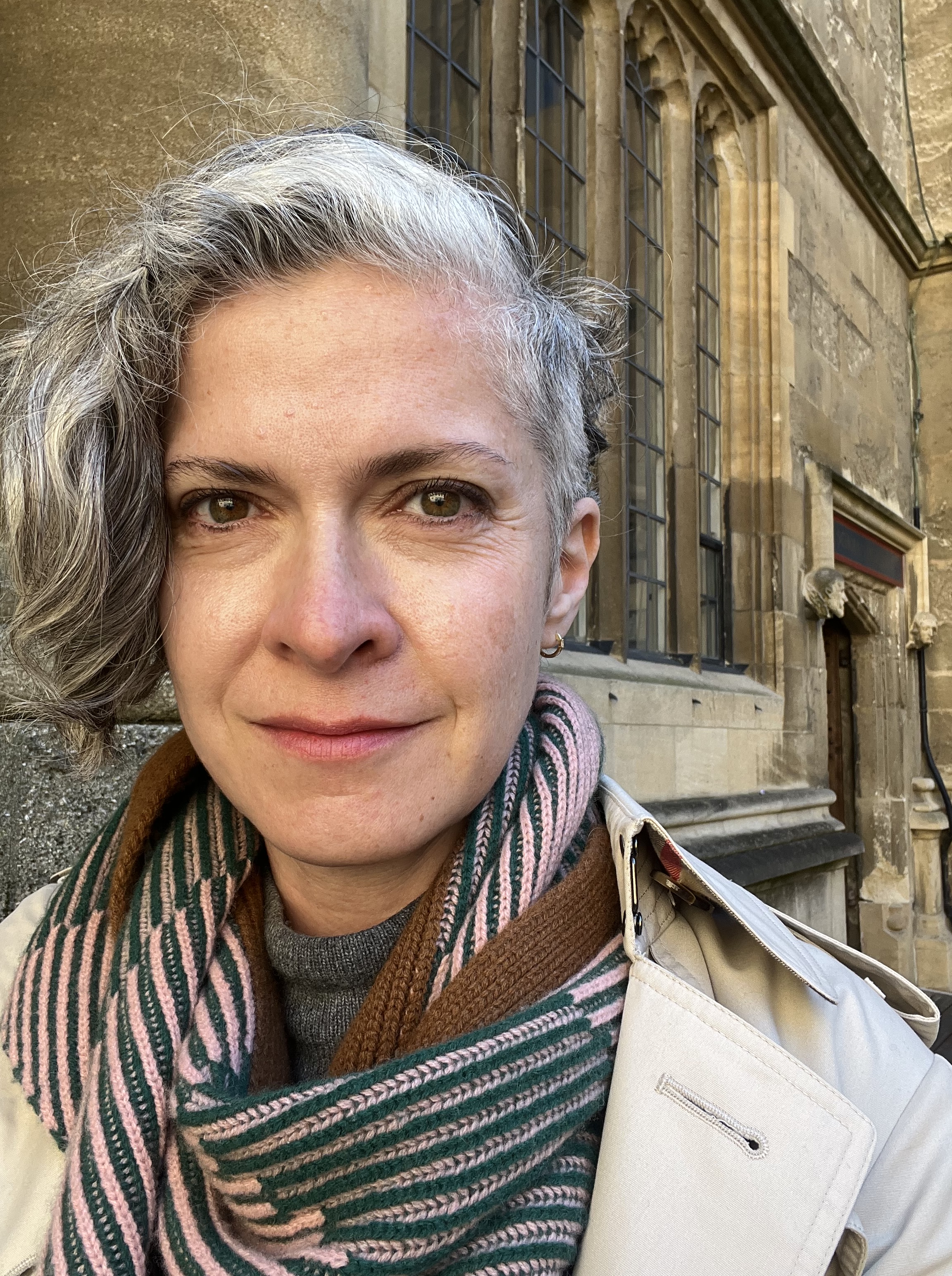
Mary Flannery is a Swiss National Science Foundation Eccellenza Professorial Fellow in English at the University of Bern, where she is leading a project on ‘Canonicity, Obscenity, and the Making of Modern Chaucer, 1700–2020’ (COMMode). Her most recent book is a biography of Geoffrey Chaucer for the general public: Geoffrey Chaucer: Unveiling the Merry Bard, published with Reaktion in 2024. She also writes short humour about the Middle Ages and other topics for publications such as McSweeney’s, The Belladonna Comedy, Defenestration, and Points In Case.
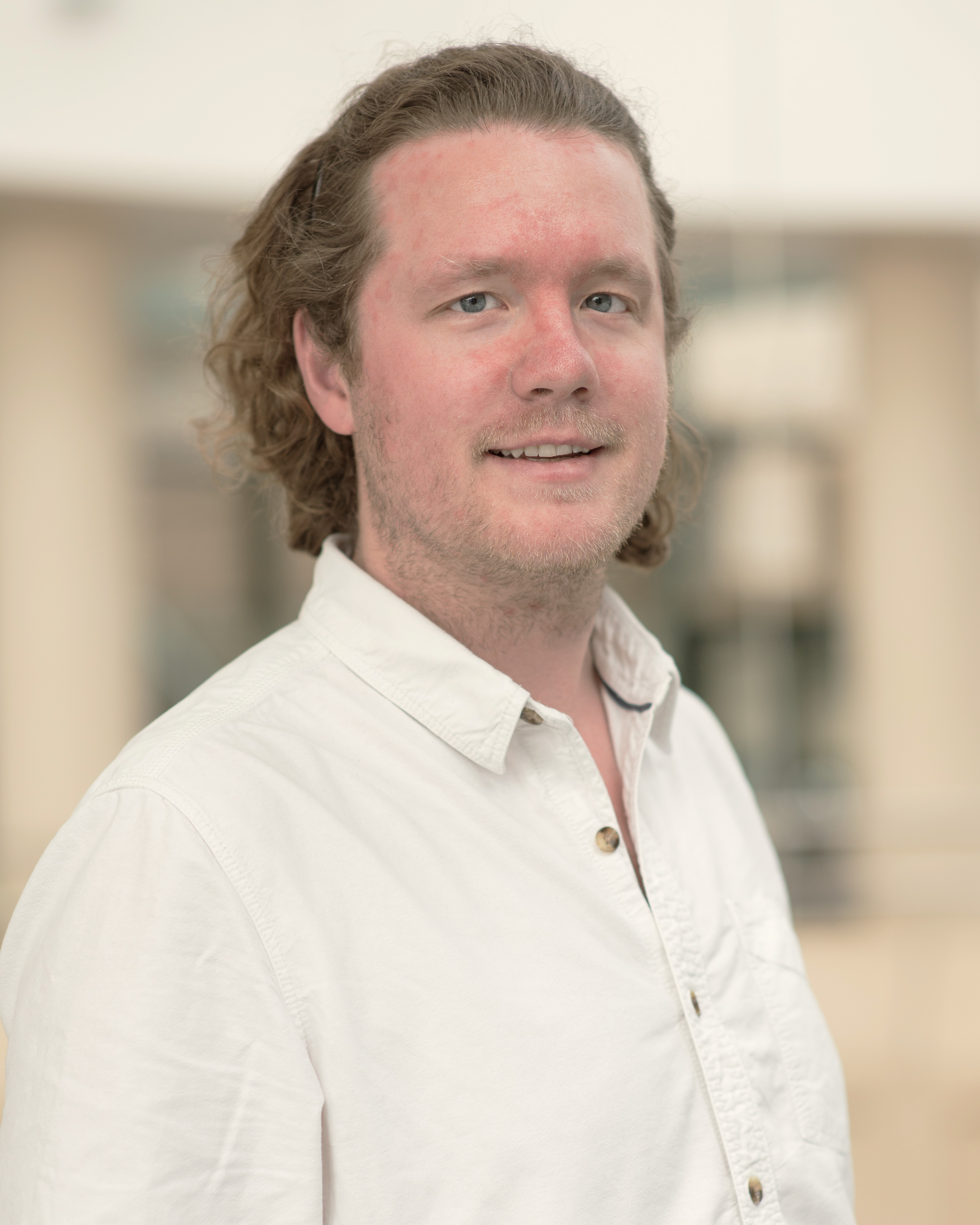
Dr Euan Roger is a Principal Medieval Specialist at The National Archives (UK), specialising in the records of late medieval and early Tudor English government, the central law courts, and the secular clergy. He has published on a wide variety of subjects, including a 2022 special edition of Chaucer Review, which introduced newly discovered life-records for the poet Geoffrey Chaucer and made headlines around the world. Other research includes medieval labour disputes, Tudor quarantine measures, Windsor Castle, and the history of treason in the UK, his work featured in publications including TIME Magazine, The Guardian, and The Times.
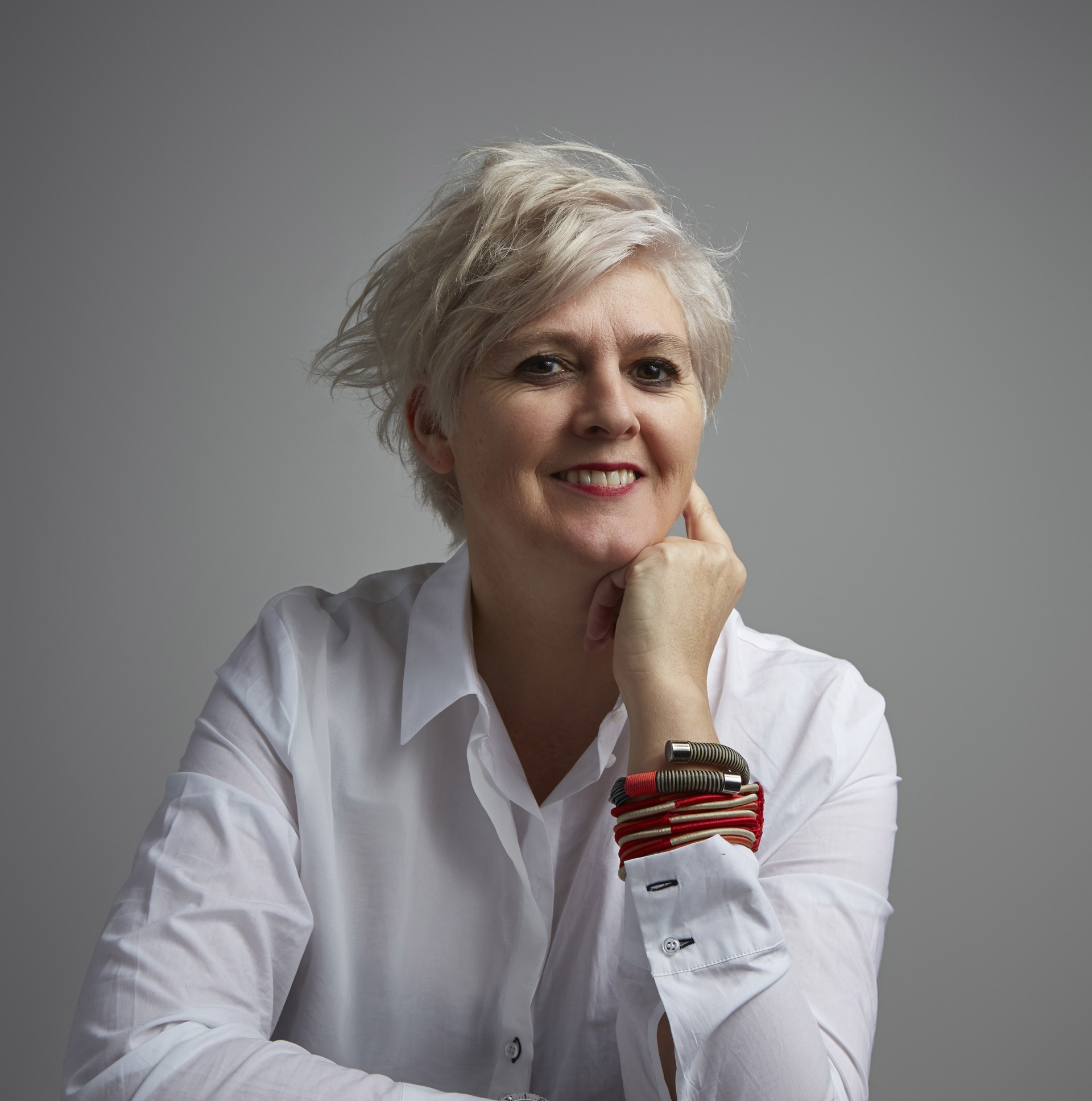
Caroline Bergvall is Global Professorial Fellow, Queen Mary University, London, and a Henry Moore Artist Fellow 2025. Award-winning writer and interdisciplinary artist who works across languages, media, and artforms. Her work includes books, performances, installations, soundworks, drawings. She often works collaboratively, and explores materials from both contemporary and historical contexts. Her research frequently involves transhistoric approaches to languages. The recipient of many international commissions and fellowships, noted works include the book trilogy Meddle English (2011), Drift (2015), awarded a Cholmondeley Award, and Alisoun Sings (2019). With Dr. Joshua Davies co-edited the collection of essays, Caroline Bergvall’s Medievalist Poetics: Migratory Texts and Transhistorical Methods (2023, Arc Humanities Press). Currrent performances include Nattsong, and the conversational Conference of the Birds. Of French-Norwegian heritage, based in London.
Photo credit: Christa Holka
Performance, Wednesday 25th June: Daisy Black
Yde and Olive
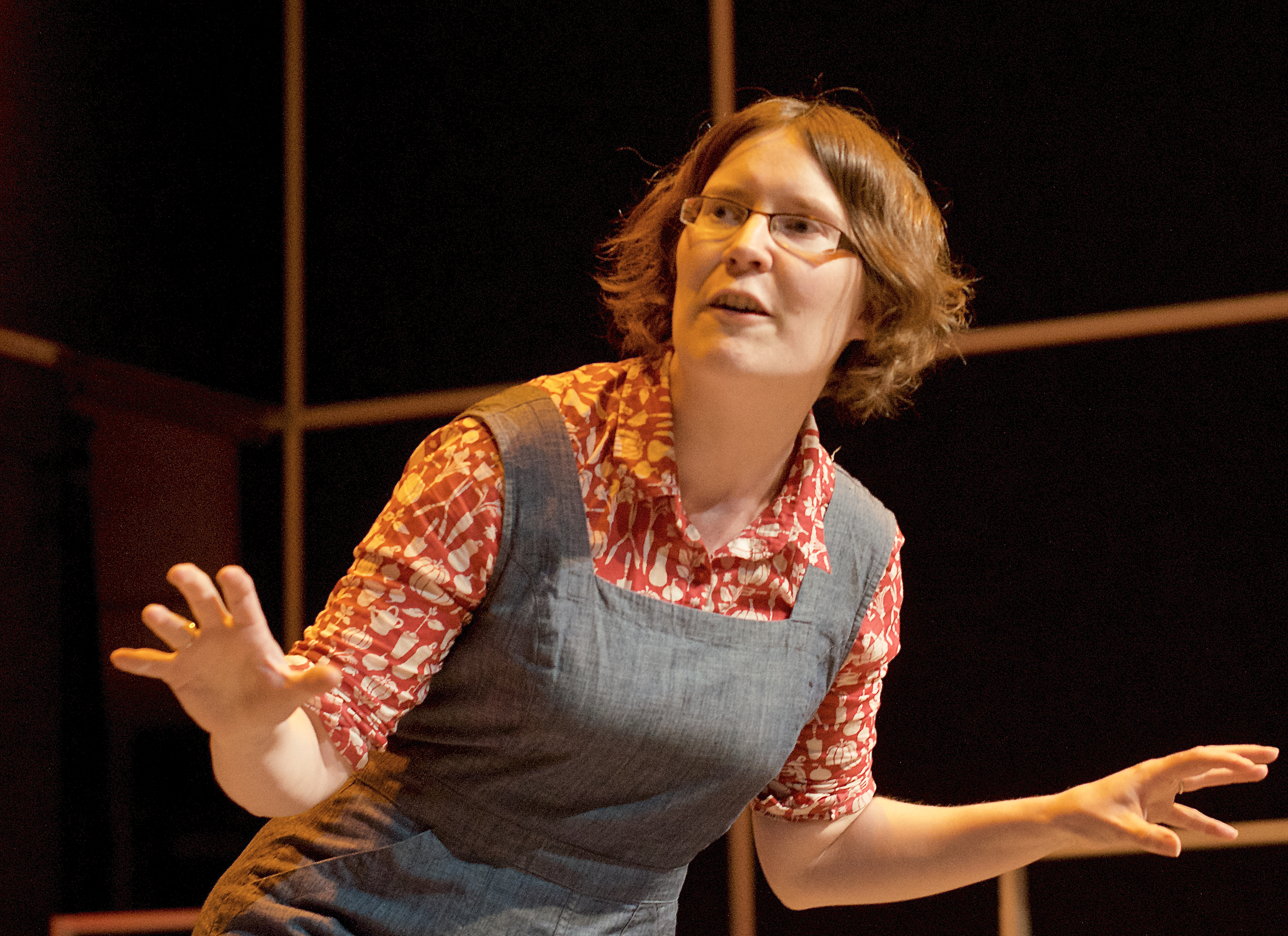
Daisy Black is a medievalist, theatre director and storyteller. She works as a lecturer in English at the University of Wolverhampton and is one of the BBC / AHRC New Generation Thinkers. Her storytelling weaves medieval narratives together with English folk song. Often moving, occasionally political, frequently feminist, just a little queer and regularly funny, Daisy’s stories underline the relevance and vibrancy of medieval narratives for today’s world.
Performance information:
The baby’s first clothes were wide bands of wool. Their small limbs were bound, tenderly and close, to help them grow strong. To help them grow straight.
From their cradle, they could hear the uttered prayers of a priest, the rush of poured water.
The baby blinked as drops of holy water flicked across their brow.
They were given a name. Yde.
And with it came flocking other words. ‘She’. And ‘Her’.
Baby Yde scrunched up her nose, and yawned.
Yde grew up reading of knights, sieges and her own mother’s daring deeds. So when faced with an unwanted marriage, she knew she’d rather fly across the frozen sea than sit around and wait for it to happen. Disguising herself as a man, Yde cuts her own paths to freedom, fighting battles, outwitting thieves, winning over kings and finding comfort in her new clothing. Until one day, she meets her match in Olive: a woman whose spirit is every bit as courageous as her own…
Storyteller and academic Daisy Black presents a remarkable thirteenth-century tale of disguise, high adventure, public baths, gender fluidity, straight-talking angels, and the power of queer love.
Weaving together medieval narrative with modern folk song, this performance will take you from birthing chambers to military barracks, through moonlit country lanes and woods stained with slaughter, and from quiet chapels to court chambers crackling with gossip.
This show is 90 minutes long, and suitable for ages 13 and up. Children under 16 should be accompanied by an adult.
Plenary lecture, Thursday 26th June: Michael Eden
Gawain is Not a Hero? Tensions Between the Heroic and the Complex Subject in Representations of Sir Gawain in Art
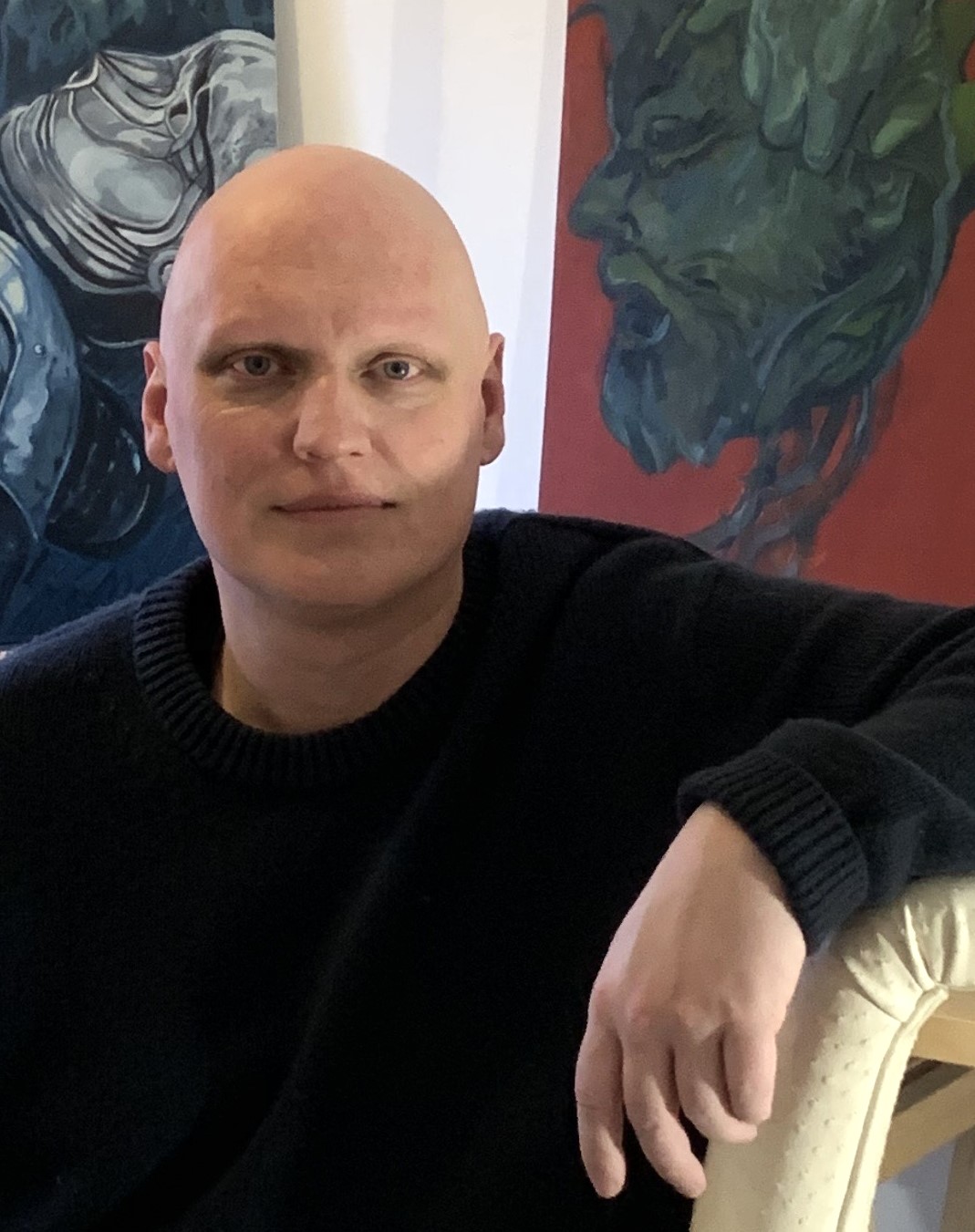
Michael Eden is a visual artist, researcher, and writer exploring the intersections of monstrosity, subjectivity, and landscape representation. His practice spans semi-abstract figurative and landscape painting, ceramics, and sculptural constructions, often engaging with themes of eeriness and flux as critiques of resurgent right-wing ideologies. He earned his PhD from Middlesex University, where his research bridged medieval literature, modernist art criticism, landscape theory, national myth-making, and monster studies, framed through the lens of artistic practice. His work is particularly informed by Sir Gawain and the Green Knight and the problematic modernism of Wyndham Lewis. Eden contributes to academic and journalistic publications on art practice, film, monstrosity, and arts education and is a fellow of The Digswell Arts Trust and editor of the Journal of Art & Writing.
Plenary information:
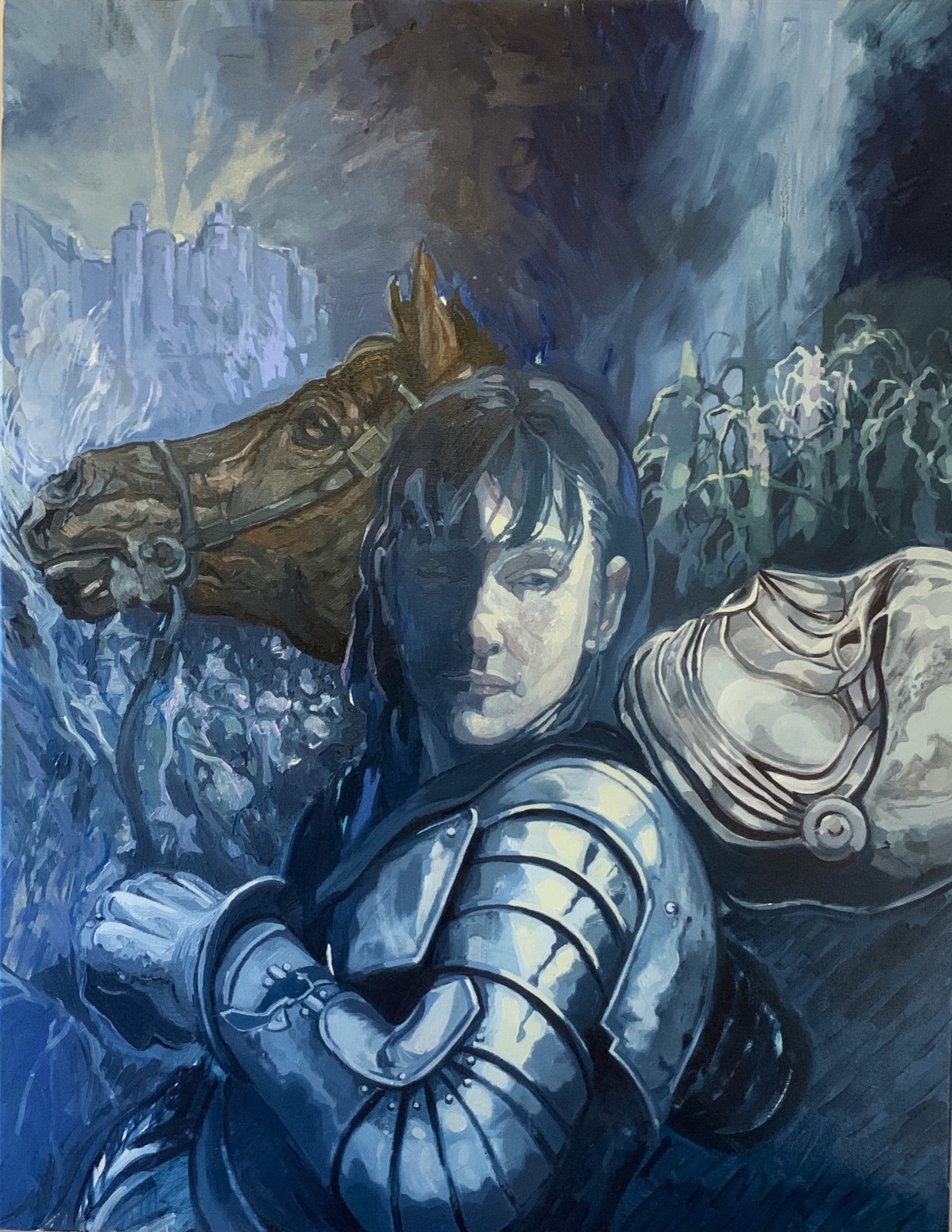
Sir Gawain, as depicted in Sir Gawain and the Green Knight (SGGK), has traditionally been represented in illustrations accompanying translations of the poem. I have previously referred to this as an “established visual language”—a framework that oscillates between portraying Gawain as a conventional heroic figure and as a complex, introspective subject. On one hand, he appears as a visual cipher of the knight: depicted in action, traveling, and fighting. On the other, artists attempt to convey his interiority—his regret, fear, and anticipation. While these representations may appear to depict the same Gawain, they reveal an underlying fault line: where iterations of Gawain, such as the man of action vs the introspective subject reflect significantly, and uncomfortably, on one another.
This plenary will explore Gawain as both a site and sight of crisis, moving beyond the traditional monomyth. Unlike conventional heroes, his transformation remains unresolved, complicating the notion of heroic incorporation. This ambiguity, rather than diminishing his significance, presents compelling opportunities for contemporary artists who seek to reimagine this figure in new and innovative ways.
Image: Gawain Between Two Deaths (2025) by Michael Eden.
 The Middle Ages in the Modern World